BYD is about to launch a new car, equipped with new DM-i technology, with a comprehensive range of over 2000km, an interpretation of Qin L
Starting with the Qin PLUS DM-i, BYD has witnessed its initial success in the new energy market, especially in the plug-in hybrid market. The Qin Pro and Qin PLUS have also shown that BYD is becoming more and more mature in its exploration of plug-in hybrid technology with their average monthly sales and annual total sales. The Qin L, which will be launched soon, is the first to be equipped with t
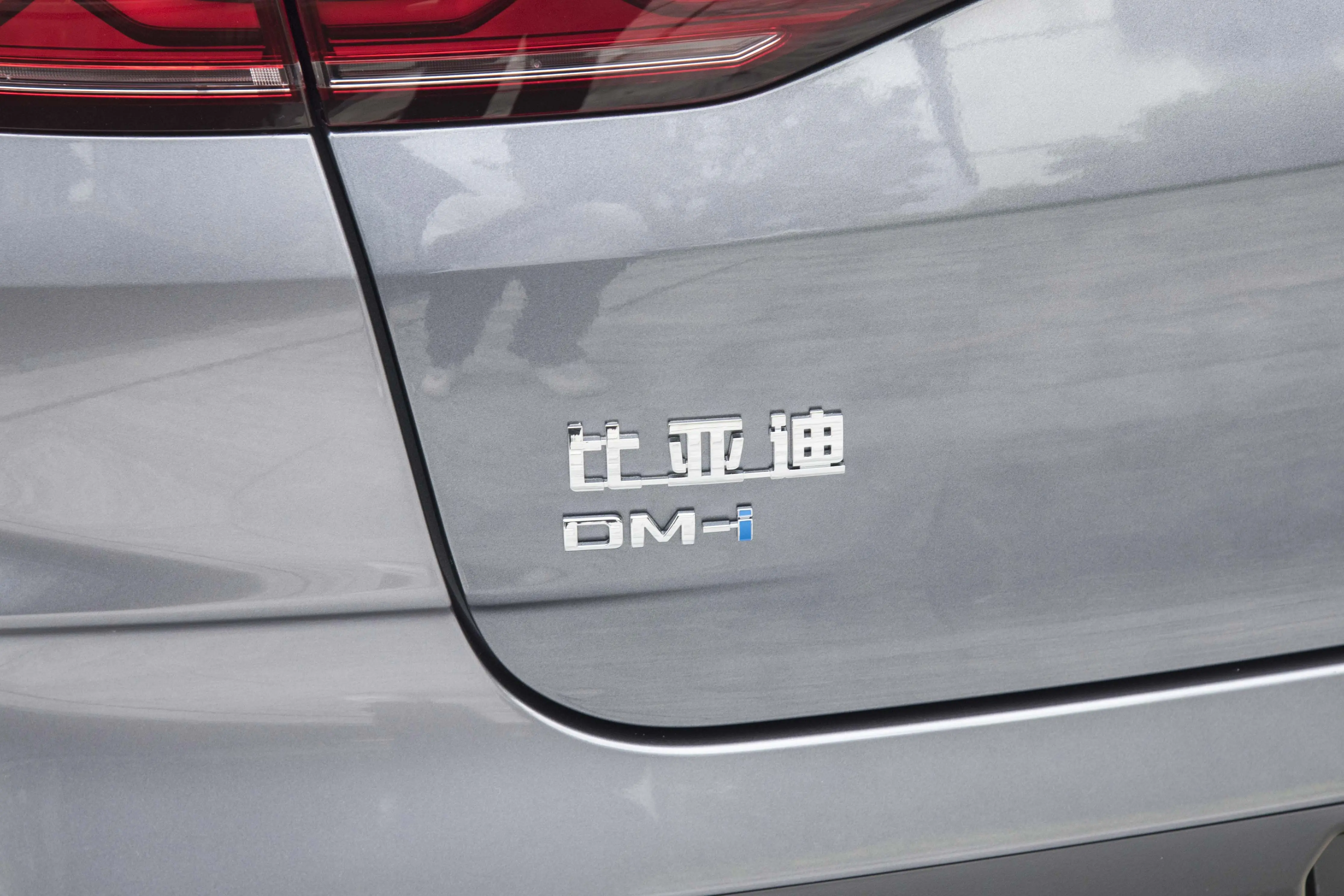
Starting with the Qin PLUS DM-i, BYD has witnessed its initial success in the new energy market, especially in the plug-in hybrid market. The Qin Pro and Qin PLUS have also shown that BYD is becoming more and more mature in its exploration of plug-in hybrid technology with their average monthly sales and annual total sales. The Qin L, which will be launched soon, is the first to be equipped with the BYD family's new fifth-generation DM-i system, breaking through the bottleneck of battery life. The Qin L has a comprehensive battery life of 2,000 km with full fuel and full electricity. It is positioned as a B-class sedan. Can its arrival consolidate BYD's position in the mid-size car market? Let's first discuss its product competitiveness.


Qin L adopts BYD Dynasty Network's family design language. The large polygonal grille on the front of the car shows a strong visual impact. The sharp spoiler lines on both sides set off the sporty atmosphere, and the short horizontal lines of chrome metal filled inside enhance the appearance texture of Qin L to a certain extent. In addition, Qin L has a wheelbase of 2790mm and a width of 1900mm. Not only does it look wide and full, but the new car should also have a good depth of space, which is enough for a regular family of four.

As one of the first models equipped with the fifth-generation DM-i system, the battery life of Qin L is a highlight worth seeing. Under ideal full fuel and full power conditions, the vehicle's comprehensive battery life reaches 2000km, and the engine peak power is 74kW, and the peak power of the electric motor of mid-to-high-end models reaches 160kW. The power reserve and battery life performance are relatively balanced. The Qin L's particularly outstanding competitive point lies in battery life. Currently in the market of plug-in hybrid vehicles of the same level, most of the comprehensive battery life is around 1200km. The CLTC comprehensive battery life of the recent new car Roewe D7 DMH is also limited to 1400km.

Qin PLUS is currently equipped with the fourth-generation hybrid system, so the market positioning of Qin L equipped with the fifth-generation DM-i system is undoubtedly higher. Compared with the previous Qin series models, Qin L, which is backed by new technologies, has achieved both improvements in endurance and energy efficiency. One of the reasons is that the new system has "subtracted" the power. The engine power has not increased but decreased, and the motor is used to make up for the reduced power, so as to fully convert gasoline into power. The lowest WLTC fuel consumption of Qin L is only 3.8L/100km, while the lowest fuel consumption of Qin PLUS under the same working conditions is 4.6L/100km.
One of the technologies of the fifth-generation DM-i system equipped in Qin L is that the hybrid-specific dual motors adopt a more compact planetary gearbox layout and are connected to the clutch to ensure durability and structural strength. At the same time, compared with the traditional side-by-side layout, the introduction of the planetary gearbox can further enhance the direct drive capability of Qin L, thereby indirectly improving the endurance level and making the planetary gears, engine, clutch, etc. work closely together to reduce additional energy loss.

The second key technology of the fifth-generation DM-i system is the use of a clutch to control the direction of power, which facilitates the switching of the engine and the generator. In simple terms, the engine can be used to generate electricity and the electric motor can assist in driving. The removal of the barriers between the two allows Qin L to achieve relatively more diverse working modes, including conventional pure electric mode, fuel mode, extended-range series, and hybrid parallel. In addition, it can also provide pure electric dual-drive, hybrid three-drive, motor drive and other high-efficiency modes to adapt to various vehicle usage scenarios. For example, if you want to get ahead at the start or overtake on the fast lane, you can choose the hybrid three-drive mode that fully utilizes the system's maximum power; if you encounter a power shortage, you can start the engine direct drive mode to ensure normal endurance.

The fifth-generation DM-i system is the key to Qin L's range exceeding 2,000km, but in fact the new generation of plug-in hybrid dedicated architecture platform also plays an indispensable complementary role. Assuming a fuel consumption of 3 liters per 100 kilometers, a single range of 2,000km requires a fuel tank of about 60L, but the fuel tank capacity of Qin L is 50L, which is not enough to support it to achieve a range of 2,000km. Therefore, Qin L is equipped with a large-capacity blade battery pack of 15.87kWh under the new platform. Combined with the low fuel consumption brought by the fifth-generation DM-i system, it is natural for Qin L to achieve a long range.

The reason why plug-in hybrid models are more popular in the market is that they have both the economic advantages of pure electric vehicles and the convenience of traditional oil vehicles. BYD's fifth-generation DM-i system further amplifies this advantage. On the basis of ensuring long battery life, its power, acceleration performance and other related aspects are not lost. The new system supports dual-motor pure electric mode, which means that the system torque and power are increased. With the support of CTB battery-body integration technology to improve body lightweight and other technologies, Qin L's 100-meter acceleration time may be faster.


The arrival of Qin L not only refreshes the brand's performance in plug-in hybrid vehicle endurance, but also has sufficient competitiveness in the entire new energy track in China. After all, most car companies have reached a technical bottleneck period. The level of car endurance and how to balance endurance and other aspects have become difficulties that each company needs to overcome. The emergence of Qin L can be said to have broken the deadlock to a certain extent, so it must be able to get the "explosive" ticket to the B-class plug-in hybrid sedan market first, and it should be able to achieve good sales response after it goes on the market. What do you think about this?