How to Choose the Right Low Bed Semi-Trailer?
Due to its strong load-bearing capacity, it is widely used in industries such as construction, engineering, and logistics. In addition, the low flatbed semi-trailer facilitates loading and unloading, improves transportation efficiency, and meets the needs of different customers.
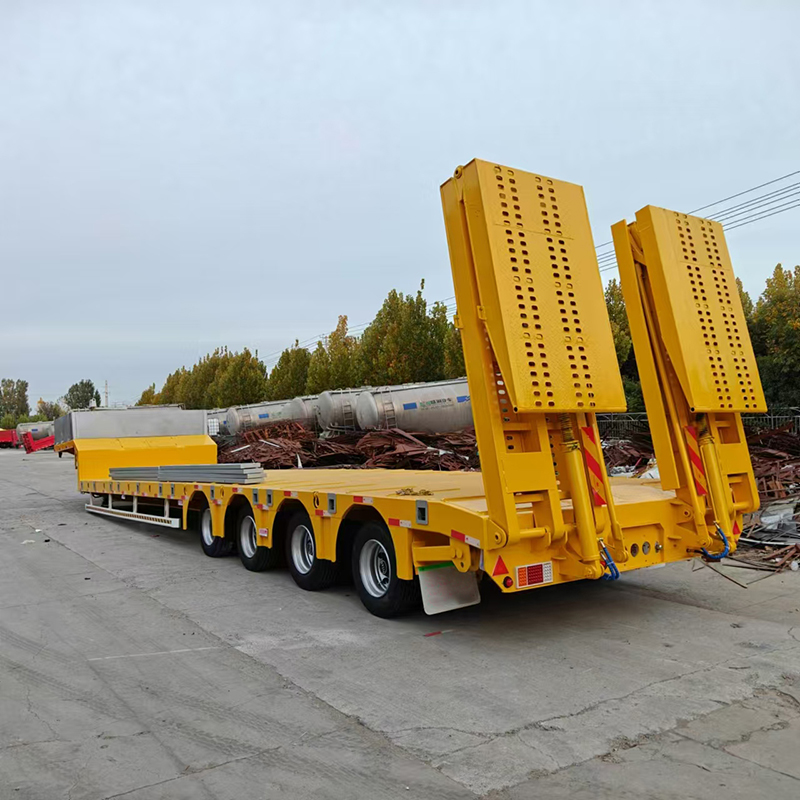
The low flatbed semi-trailer is a specialized transport tool mainly used for transporting heavy and super high cargo. Its low profile design allows goods to be placed more stably, lowering the center of gravity and reducing tilting and bumpiness during transportation.
Due to its strong load-bearing capacity, it is widely used in industries such as construction, engineering, and logistics. In addition, the low flatbed semi-trailer facilitates loading and unloading, improves transportation efficiency, and meets the needs of different customers.
How to Choose the Right Low Bed Semi-Trailer?
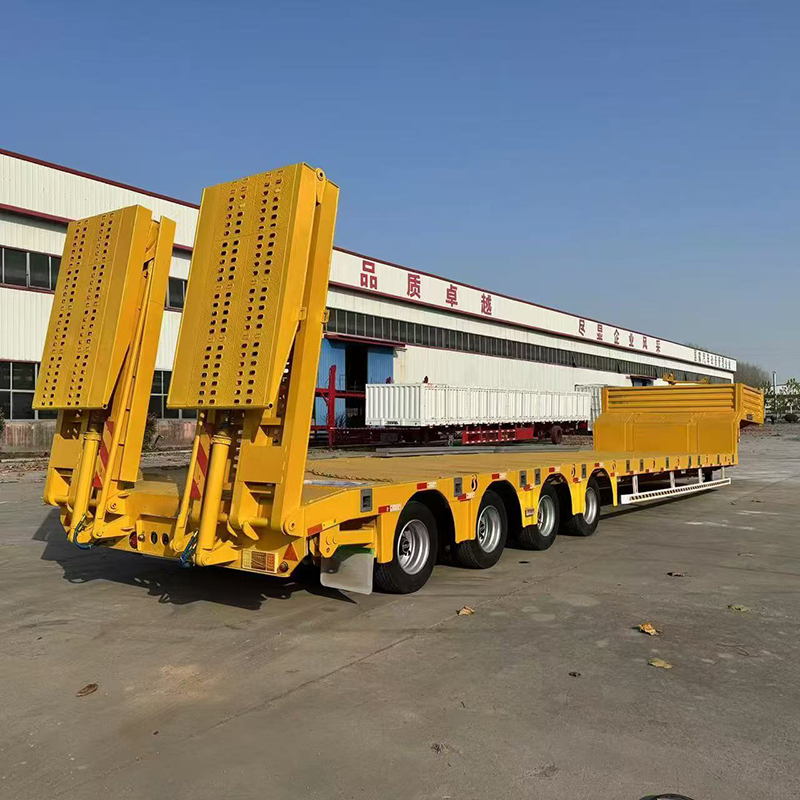
In the logistics and transportation industry, low bed semi-trailers are widely used for transporting heavy equipment and oversized goods due to their excellent load-bearing capacity and low center of gravity design. As market demand grows, selecting the right low bed semi-trailer becomes increasingly important. Here are some key factors to help businesses make informed choices.
1. Determine Transportation Needs Before selecting a low bed semi-trailer, businesses need to clearly define their transportation requirements. This includes the type, weight, and dimensions of the goods. For instance, if transporting large construction equipment, a longer and wider low bed semi-trailer may be necessary. Furthermore, different characteristics of goods may require different types of trailers (such as flatbed, fork, or dump), so understanding the transportation content is the first step.
2. Consider Load Capacity The load capacity of the low bed semi-trailer is one of the important criteria for selection. Load capacity not only relates to transportation efficiency but also affects operating costs. Businesses should select a low bed semi-trailer with an appropriate load capacity based on their transportation needs to avoid legal liabilities and safety hazards caused by overload.
3. Material and Construction The materials and construction of low bed semi-trailers directly affect their durability and stability. Common materials include steel and aluminum alloy. Steel is heavier but sturdier, while aluminum alloy is lighter but may have slightly weaker load capacity. Therefore, businesses need to weigh the pros and cons of materials based on their operational needs.
4. Size and Specifications Different types of low bed semi-trailers have varying sizes and specifications. Choosing the right size can effectively avoid problems during transportation, such as encountering obstacles with taller or wider goods. Therefore, it is essential to consider the actual dimensions of the goods and select a suitable low bed semi-trailer.
5. Reliable Manufacturers and After-Sales Service Choosing a reputable manufacturer is crucial. A reliable brand not only provides high-quality products but also offers support in after-sales service. This includes warranty, repairs, and supply of spare parts. Businesses can refer to market evaluations and customer feedback to ensure they select a suitable manufacturer.
In summary, choosing the right low bed semi-trailer is not a simple task and requires comprehensive consideration of transportation needs, load capacity, materials, size, and the reputation of manufacturers. Only after careful consideration can one ensure the purchase of a high-quality low bed semi-trailer appropriate for their business, thus improving transportation efficiency and reducing operational risks. With the development of the logistics industry, selecting the right transportation tool will become an important part of a company's competitiveness.

Quickly Contact Us !
- Jelly Guo
Phone: +8619963776193
E-mail: jelly@shandongenxin.com
WhatsApp/WeChat: +8619963776193
Add.:
Room 409-2-9, Building A, Century Fortune Center, west side of Xinyu Road, Shunhua Road, High-tech Zone, Jinan City, Shandong Province